
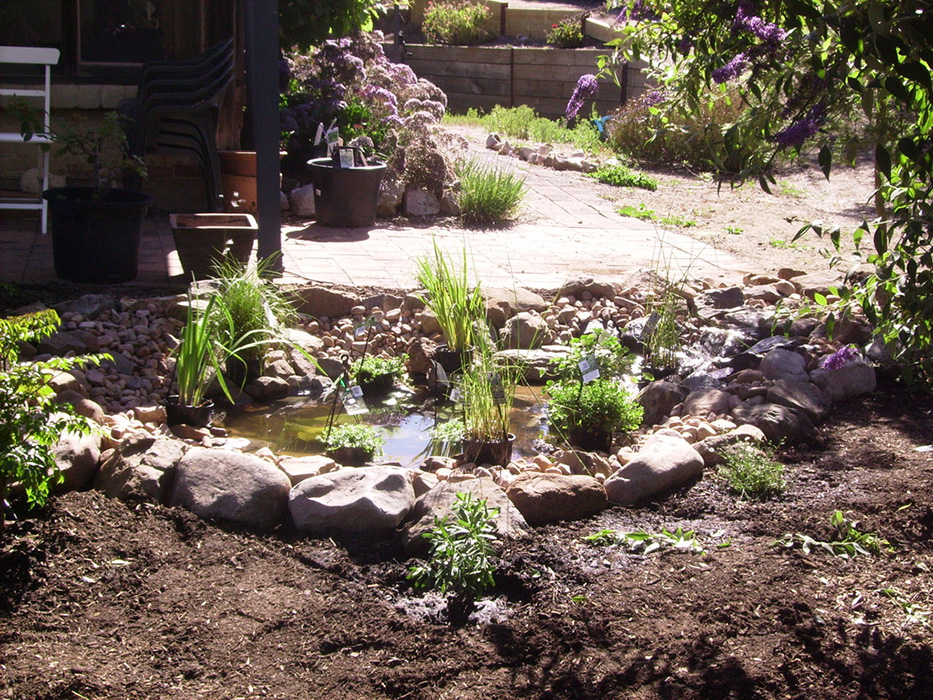
Nils Landscaping restores frost-damaged gardens in Adelaide Hills by assessing plant survival, pruning needs and suitable replacement options for the site.
Frost is a common risk in Adelaide Hills gardens, especially for young plants, fresh growth and gardens in exposed or low-lying positions. Frost-damaged gardens in Adelaide Hills may show blackened leaves, collapsed shoots or brittle stems. However, visible damage does not always mean the roots, crown or entire plant has died.
Can Frost-Damaged Gardens in Adelaide Hills Be Saved?
Many plants can recover when frost has damaged only their foliage and outer shoots. For woody plants, gently scratch a small patch of outer bark. Green tissue underneath indicates living wood, while dry brown tissue means that section has died and should be checked progressively towards the base.
Basal shoots, flexible stems, healthy buds and a firm crown are also encouraging signs. Deciduous plants and herbaceous perennials may look lifeless during winter, so natural dormancy should not be mistaken for permanent frost damage.
What Should You Do Before Deciding to Replant?
Avoid making an immediate decision based only on burnt or blackened foliage. Monitor the plant during its normal recovery period while checking whether frost, poor drainage or another problem has caused the decline.
- Delay pruning: Leave damaged growth in place until the risk of further frost has passed. Gardening Australia advises against pruning frost-damaged growth too early because it can stimulate tender shoots and remove material protecting living tissue.
- Check for living tissue: Use the scratch test on several woody stems and look for healthy buds or basal growth. Work gradually down the plant before removing major branches.
- Provide temporary protection: Cover vulnerable plants overnight with supported frost cloth and remove it during the day. Move suitable pots beside a sheltered wall or beneath cover.
- Manage water carefully: Prevent plants from drying out, but do not water when the soil is already wet. Poor drainage and waterlogging can weaken roots and worsen plant decline.
- Prune at the right time: Once further frost is unlikely, remove dead material back to healthy green tissue or a living node. If feeding is suitable for the plant and soil, wait until active recovery begins.
When Is Replanting the Better Long-Term Choice?
Replacement may be practical when no living tissue remains, the roots or crown are rotting, or the plant fails to regrow during its normal growing season. Repeated winter dieback may also indicate that the species or planting position is unsuitable.
- Confirm plant death: Check several stems and the base instead of relying on damaged leaves alone.
- Consider the plant’s purpose: A severely damaged hedge, screen or feature plant may no longer perform its intended function.
- Correct the underlying cause: Improve drainage, create shelter or avoid low areas where cold air collects.
- Select suitable replacements: Consider frost-tolerant plants such as suitable correas, dianellas and lomandras, or locally native candidates such as sticky hop-bush and sweet bursaria. Final selection should account for the property’s soil, sunlight, moisture, frost exposure and available space.
- Avoid repeated failure: Installing the same frost-sensitive species in the same exposed position is unlikely to provide a lasting result.
Restore Frost-Damaged Gardens in Adelaide Hills with Nils Landscaping
A careful assessment can distinguish temporary leaf damage from plant death and prevent healthy plants from being removed too early. Nils Landscaping can assess affected areas, undertake suitable maintenance and plan replacement planting around soil, drainage and exposure. This creates a more resilient garden suited to Adelaide Hills conditions.
Contact us to arrange professional help restoring or replanting your garden.