
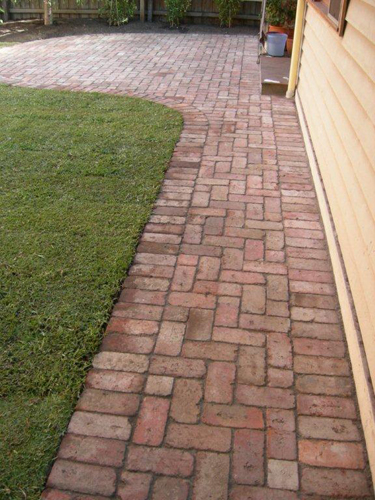
Plan paving drainage in Adelaide Hills to reduce pooling, runoff and premature surface movement. Book a site consultation with Nils Landscaping.
Paving performance depends on what sits beneath and around the finished surface. In the Adelaide Hills, slope, rainfall, soil and existing runoff paths should be assessed before levels, base preparation and edge details are finalised.
Why Does Drainage Matter Beneath Paving?
Paving drainage is the planned movement of surface and subsurface water away from paved areas, buildings and vulnerable landscape zones. It involves more than adding a visible drain: finished falls, base material, subgrade preparation, joints, edges and surrounding ground levels must work together.
Nils Landscaping installs natural stone, concrete and brick paving for patios, pathways, verandas, barbecue areas and other outdoor spaces in Woodside and the Adelaide Hills. Each site requires an individual assessment because water does not behave the same way on every slope or soil profile.
Signs the Existing Area Needs Better Planning
Water pooling after rain is the clearest warning, but other symptoms can indicate an underlying drainage or base problem:
- pavers rocking, sinking or becoming uneven;
- sand or fines washing from joints;
- damp areas remaining long after surrounding surfaces dry;
- runoff flowing towards the house or neighbouring property;
- erosion appearing beside the paved edge; and
- weeds repeatedly establishing in widened or disturbed joints.
These signs do not identify one universal repair. Localised movement may relate to edge restraint, base compaction, concentrated runoff, tree roots or subgrade conditions. The cause should be investigated before relaying the surface.
Falls, Base Preparation and Water Routes
Finished paving needs a deliberate fall towards a lawful and suitable discharge direction. The appropriate grade and drainage detail depend on the application, surface material and relationship to buildings.
Base preparation is equally important. Excavation depth, compaction and bedding materials must suit the ground and intended use. A pedestrian path and a vehicle-bearing paved area do not carry the same loads, so copying the same build-up can produce premature movement.
Where water is concentrated, a channel, pit or other drainage component may be considered as part of the broader design. The Environment Protection Authority South Australia stormwater guidance reinforces the importance of managing runoff to protect waterways and surrounding environments.
Integrating Paving with the Whole Landscape
Paving should connect safely with garden beds, lawns, steps and retaining elements. A surface that looks correct in isolation can redirect water into another problem area if the surrounding landscape is ignored.
Nils Landscaping provides landscape design and construction as well as rock work, garden preparation, lawns, planting and retaining walls. Coordinating these elements helps establish practical levels, movement routes and transitions before installation begins.
Plan Before Selecting the Paver
Colour and texture matter, but they should follow the site assessment. Bring photos of pooling, note where water travels during heavy rain and identify any access or level changes that affect the proposed work.
Contact Nils Landscaping to discuss paving drainage, material options and the wider landscape conditions at your Adelaide Hills property.